Safety, Support, and Structure: How Memory Care Varies from Traditional Assisted Living
Business Name: BeeHive Homes of St George Snow Canyon
Address: 1542 W 1170 N, St. George, UT 84770
Phone: (435) 525-2183
BeeHive Homes of St George Snow Canyon
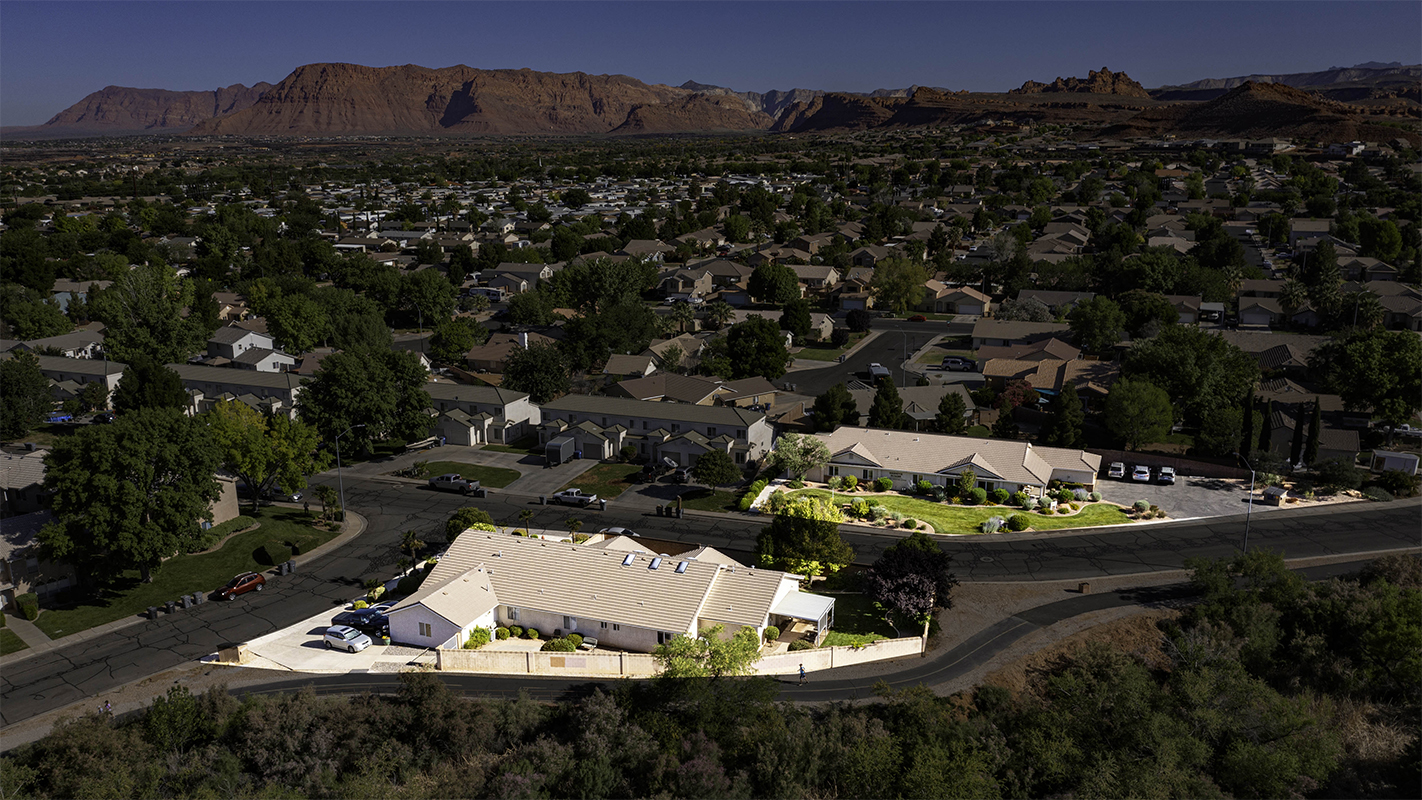
Located across the street from our Memory Care home, this level one facility is licensed for 13 residents. The more active residents enjoy the fact that the home is located near one of the popular community walking trails and is just a half block from a community park. The charming and cozy decor provide a homelike environment and there is usually something good cooking in the kitchen.
1542 W 1170 N, St. George, UT 84770
Business Hours
Families frequently begin looking at senior care alternatives after a scare. A roaming incident. A range left on. Medications avoided or doubled. Or a late night call from a neighbor who discovered a parent confused at the mailbox.
The next action is hardly ever obvious. Traditional assisted living, memory care, knowledgeable nursing, in home caregivers, respite care for momentary assistance, adult day programs. Labels pile up quicker than clarity.
I have strolled families through these decisions for several years, both as a professional in senior care and as a child who watched dementia unfold in my own household. The line in between "needing a little assistance" and "requiring a secured environment" is not constantly clear on paper, however it is extremely clear in everyday life.
This is where the difference in between assisted living and memory care truly matters.
Starting from the basics: what assisted living actually provides
Traditional assisted living is developed for older grownups who are mainly independent however require help with specific everyday jobs. Think of it as an apartment with support wrapped around it.
Residents usually have their own private or semi personal apartment or condo. Staff help with individual care such as bathing, dressing, toileting, grooming, and medication management. Meals are offered, house cleaning is consisted of, and there is normally a calendar of social activities and outings.
The essential idea is that assisted living intends to maintain as much independence and autonomy as possible. Residents typically manage their own schedules, come and go with very little supervision, and take part in activities by choice, not by structured expectation.
This works well for somebody who, for instance, has arthritis that makes bathing tough, or heart problem that makes cooking and cleansing exhausting, but who can still make safe decisions and remember their routine.
Once cognitive disability enters the picture in a meaningful way, that design begins to strain.
What "memory care" really means
Memory care is not just assisted living with a locked door. At least, great memory care is not. It is a specific environment, typically within its own safe system or dedicated structure, developed around the requirements and difficulties of individuals living with Alzheimer's disease and other types of dementia.
Several aspects normally alter when you move from traditional assisted living into memory care:
First, security goes from "available if needed" to "actively built into every minute." Locals might have bad short term memory, disorientation, or impaired judgment. They may attempt to leave the building to "go home," even if they have lived there for months. Staff should prepare for these habits, not just respond to emergencies.
Second, structure becomes a therapeutic tool rather than basic convenience. The day is formed in a predictable pattern: mealtimes, individual care, activities, rest. Predictability minimizes anxiety for many individuals with dementia, who frequently feel unmoored when they can not depend on memory to organize their world.
Third, communication and interaction expectations shift. Staff in memory care are trained to use hints, repeating, streamlined choices, and a calmer speed. The goal is not simply to complete jobs, however to preserve dignity and minimize aggravation for someone whose brain no longer processes info the method it used to.
Lastly, the physical environment is become support individuals with cognitive disability: clearer signage, less visual clutter, more contrast in colors, protected outside areas, careful lighting, and fewer hazards.
On the surface area, both memory care and assisted living provide "real estate with support." In practice, they run with different presumptions about what homeowners can securely do on their own.
Safety: where the distinctions are most obvious
Families frequently very first notice the need for memory care when safety begins to deteriorate, gradually or suddenly.
In assisted living, safety measures are essential however typically reactive and resident driven. An individual pulls an emergency cable if they fall. They request assistance if they feel ill. They identify their door number and remember their room. If they wish to step outdoors to stroll the grounds, they can.
In memory care, security is proactive and environment driven. Doors might be secured with keypads. Elevators may need personnel codes. Outdoor areas are usually enclosed courtyards instead of open schools. Staff display movement continuously, since locals may not recognize dangers or remember guidelines from one minute to the next.
One household I worked with moved their mother from assisted living to memory care after she wandered out of the building during a shift modification. She had actually always been a walker and enjoyed fresh air. In assisted living, those independent walks were encouraged, till her dementia advanced and she forgot how to get back to her room.
Assisted living personnel did their finest, however the structure was not developed to track someone who walked off the property within a couple of minutes of diversion. In memory care, that exact same desire to walk become a healthy everyday activity in a secure yard, with staff joining her, not chasing after her.
Key behavioral safety issues that tend to shift the conversation towards memory care consist of wandering, exit seeking, regular falls connected to confusion instead of pure balance issues, leaving ranges or home appliances on, misusing medications, and increased agitation or paranoia in unknown situations.
Traditional assisted living can handle some mild cognitive problems. As soon as disorientation, poor judgment, and repeated risky habits appear, memory care normally offers a more secure framework.
Support: staffing, training, and expectations
The human element makes or breaks any senior care setting. The difference is not simply in how many people are on shift, but in what they are trained to observe and how they respond.
In traditional assisted living, staff ratios vary commonly, however the presumption is that locals can request for what they require. Staff respond to call lights, deliver scheduled services, and organize activities. They check in, but much of the day depends upon the resident's initiative.
In memory care, personnel are trained to lead, hint, and guide. Residents might not ask for help even when they are struggling, due to the fact that they lack insight or can not discover the words. Personnel instead look for nonverbal cues: a resident hovering near the restroom, someone pacing before meals, an individual with a history of nighttime wandering suddenly peaceful throughout the day.
Support in memory care likewise extends to handling behavioral signs. Individuals with dementia might withstand bathing, implicate others of stealing, end up being suspicious of family, or lash out in pure aggravation. Well trained memory care staff find out techniques such as redirection, validation, and breaking tasks into smaller steps.
By contrast, in a standard assisted living setting where staff lack dementia particular training, those exact same habits can be misinterpreted as "noncompliance" or "hard personality." That frequently leads to a cycle of conflict, where both resident and caregivers feel disappointed and unsafe.
Medication assistance likewise tends to differ. Memory care teams are more attuned to the effect of medications on cognition, fall risk, and behavior. Great programs partner carefully with geriatricians or neurologists to balance sign control and quality of life, instead of chasing every habits with a sedative.
Families sometimes presume memory care suggests more sedating medications. In well run communities, the reverse is true: personnel use structure, engagement, and ecological changes first, and medication modifications only when definitely necessary.
Structure: why regular matters more in dementia care
People with healthy cognition can bend their regimens without major repercussions. Avoid breakfast, take a late nap, head out to supper, stay up for a film. They might feel a little off the next day, but they recalibrate easily.
For somebody with dementia, disturbance often brings a heavier expense. Missed out on meals can cause low blood glucose and confusion. Lack of sleep can aggravate sundowning and agitation. Too quiet a day can fuel nighttime pacing. Too disorderly a day can trigger withdrawal or aggression.
Traditional assisted living tends to emphasize option and versatility. Meal times might be open for a number of hours. Activities are optional drop in events. Citizens might keep their own irregular sleep patterns, especially if they are night owls or late risers by nature.
Memory care is more firmly structured, not to manage homeowners, but to decrease the cognitive load on them. Breakfast follows early morning care. There may be a gentle group activity mid morning, a more stimulating one after lunch, then quieter engagement or rest in the afternoon. Nights are frequently calmer, with calming music or easy social time, to prepare citizens for sleep.
This rhythm supports circadian patterns and supplies anchors in a brain that can not count on short term recall. Instead of asking, "Would you like to come to bingo at 2 pm?" staff frame it as, "Now it's time for our video game, let's go together." Less open ended options, more guided flow.
One child informed me she felt guilty moving her father from assisted living to memory care because "it appeared more restrictive." Three months later on, she stated his anxiety had actually dropped significantly. The predictability of regimens and consistent faces really made him feel freer. He no longer needed to pretend to handle choices that overwhelmed him.
That is the peaceful power of structure in memory care. It decreases the continuous need on damaged cognitive systems, so remaining strengths can surface.
The physical environment: subtle but vital design differences
People undervalue just how much the environment matters in dementia care. Small details frequently spell the distinction between comfort and chronic distress.
Traditional assisted living buildings are typically developed memory care home like houses or hotels. Long hallways, basic space numbers, comparable doors. Decoration can be classy but aesthetically hectic. Lighting varies. Outdoor areas may be pleasant however open.
For somebody with dementia, these functions can rapidly end up being disorienting or even frightening.
Memory care environments ideally streamline navigation and lower sensory overload. Some common design options consist of:
- Secured perimeters with yards instead of open grounds, so residents can stroll and enjoy fresh air without the risk of getting lost.
- High contrast in between floorings, walls, and home furnishings, helping homeowners differentiate edges and avoid missteps, specifically if their visual processing is affected.
- Personalized "shadow boxes" or memory screens outside each space, using images and things from a resident's life to cue recognition of their own space.
- Clear, large print signage with both words and icons, frequently color coded, for places like restrooms, dining rooms, and activity areas.
Lighting is another essential distinction. Harsh lighting and deep shadows can trigger misperceptions and worry. Memory care systems normally aim for consistent, diffused lighting that minimizes glare and eliminates dark corners. Windows are important to provide a sense of day and night, but blinds and treatments are chosen to prevent confusing reflections in glass at dusk.
These information sound little on paper. In every day life, they can imply less falls, less agitation, and more capability to move independently within a protected space.
Cost and level of care: why memory care is often more expensive
Families are frequently amazed by the price jump when they move from assisted living to memory care. On the surface, the space might look comparable and the fundamental promises of senior care familiar. So why the higher cost?
The distinction comes from staffing intensity, training, and the level of supervision needed. Memory care systems generally have more personnel on the floor per resident, especially during high risk hours such as evenings and nights. Those team member often have extra dementia specific training, and the program might utilize specialized roles like memory care coordinators or activity professionals with accreditation in dementia engagement.
The regulatory structure can differ also, depending upon the state. Some states require different licensing for memory care, with greater requirements for safety and programs. Compliance with those policies adds functional cost.
Finally, the services included tend to be more thorough. In assisted living, a resident might be on a lower service tier if they require help just with bathing and medication pointers. In memory care, even homeowners with fairly moderate physical needs typically need full assistance with medication management, cueing for meals, assistance for personal care, hallway tracking, and structured activities.
Families sometimes try to stretch assisted living longer to save expenses. In some cases that works, especially when dementia progresses gradually and habits remain mild. Other times, the hidden cost is paid in repeated emergency situations, hospitalizations, or household stress that ends up being unsustainable.
The function of respite care when you are unsure
Not every household is all set to devote to a long-term relocate to memory care. They might be caring for a parent in your home and wondering if it is time to shift. Or their loved one is currently in assisted living, and staff are carefully recommending a greater level of support, but the family is hesitant.
Respite care can be a beneficial middle step. Numerous assisted living and memory care neighborhoods offer short term stays, usually varying from a couple of days to a few weeks. The resident stays in a provided apartment or condo or space, receives the exact same day-to-day care as long term residents, and after that returns home or to their previous setting.
For households, respite care serves numerous essential functions. It gives a direct look at how a loved one deals with a structured environment, without relying exclusively on trips and brochures. It uses momentary relief for family caretakers, who may be near burnout. And it can serve as a sensible trial: if a parent flourishes in memory care during a respite stay, the choice to move permanently feels less like a leap into the unknown.
Respite care slots often book quickly, particularly around vacations or summer season when family caregivers travel. Planning ahead assists. Even a one week stay can supply valuable insight into how your loved one responds to added structure, socializing, and supervision.
When assisted living suffices, and when it is not
There is no single test that flips a switch from "assisted living" to "memory care." Instead, skilled clinicians and senior care professionals look at patterns over time.
Assisted living tends to be enough when an individual has moderate cognitive impairment or early dementia but is still oriented the majority of the time, follows regimens with modest reminders, handles modification without severe distress, and does disappoint hazardous roaming or serious behavioral symptoms.
Memory care normally becomes the much better fit when numerous of the following appear regularly: getting lost in familiar places, leaving home appliances on, duplicated falls connected to confusion, paranoid or aggressive habits that personnel in assisted living battle to handle, frequent nighttime wandering, exit looking for, inability to utilize the call system dependably, or increased withdrawal due to the fact that the routine environment overwhelms them.
The emotional side matters also. If a resident in assisted living spends the majority of the day separated in their space, puzzled by group activities that move too quickly, or humiliated by their errors around more independent peers, memory care can offer a community of individuals experiencing similar challenges, with activities paced for their abilities.

I have actually seen residents who were identified "resistant to care" in assisted living calm considerably in memory care, merely because the expectations matched their cognitive reality.
Family participation and psychological shifts
Moving a parent into memory care often feels heavier than moving into assisted living. Families sometimes translate it as an admission that "things are really bad now." That emotional weight is genuine, and it complicates decision making.
The fact is that memory care, when done well, can be a thoughtful action to the particular needs of dementia, not a punishment or last option. It acknowledges that no quantity of love can substitute for 24 hr, dementia focused supervision and structure.
Family participation does not shrink after a move to memory care; it moves. Rather of continuously firefighting crises at home, or fielding repeated immediate calls from assisted living, relatives can invest their energy in quality time: shared meals, walks in the safe and secure garden, taking a look at old images, listening to preferred music.
I frequently motivate families to take notice of how they feel a month or 2 after their loved one moves. Lots of inform me they start sleeping through the night once again. Their own health improves. They can visit as a child or kid again, not simply as a caregiver on task. That change benefits the resident too, because they pick up less anxiety and exhaustion from their relatives.
Open interaction with personnel is important in both assisted living and memory care, however it is specifically important when browsing the behavioral and emotional complexities of dementia. Share your loved one's history, routines, activates, and soothing strategies. Great memory care groups weave that information into customized techniques, instead of applying one size fits all routines.
Practical concerns to ask when comparing settings
When you tour communities, shiny furnishings and friendly sales staff just tell part of the story. To get a clearer photo, it helps to ask a couple of concentrated questions.
Here is a list of questions that frequently expose the real differences between assisted living and memory care programs:
- How do you decide when somebody in assisted living must transfer to memory care, and who is involved in that decision?
- What dementia specific training do your memory care staff get, and how often is it refreshed?
- How do you manage citizens who roam, resist bathing, or become upset in the late afternoon or evening?
- Can you explain a typical day in your memory care unit, from get up to bedtime, including how you adjust it for different ability levels?
- Do you use respite care stays, and can a brief stay in memory care help us examine whether it is a good long term fit?
Listen not just for the material of the answers, however for tone and information. Unclear, generic actions like "we handle that on a case by case basis" without examples can signal minimal experience. Particular stories, clear treatments, and visible calm on the system often show a mature program.
Where senior care, safety, and self-respect meet
Both standard assisted living and memory care hold crucial locations in the senior care landscape. Neither is "better" in the abstract. The best choice depends upon the interplay between physical health, cognitive modifications, character, and family capacity.
Assisted living offers an encouraging environment for older adults who require help with daily jobs however still direct their own life. Memory care offers a safeguarded, structured, and specialized setting for those whose dementia makes self instructions and without supervision flexibility unsafe.
The goal in both is not to strip away autonomy, but to match self-reliance with safety. For someone with advancing dementia, that typically means trading some open flexibility for a protected environment where they can still walk, socialize, and engage without continuous danger.
If you are grappling with this decision, pay closer attention to patterns than to single bad days. Talk to your loved one's physician about cognitive status and security risks. Visit both assisted living and memory care programs, and if possible, explore respite care to evaluate the fit.
Most of all, remember that looking for the best level of care is not a failure of family dedication. It is one of the clearest expressions of it.
BeeHive Homes of St George Snow Canyon provides assisted living care
BeeHive Homes of St George Snow Canyon provides memory care services
BeeHive Homes of St George Snow Canyon provides respite care services
BeeHive Homes of St George Snow Canyon offers 24-hour support from professional caregivers
BeeHive Homes of St George Snow Canyon offers private bedrooms with private bathrooms
BeeHive Homes of St George Snow Canyon provides medication monitoring and documentation
BeeHive Homes of St George Snow Canyon serves dietitian-approved meals
BeeHive Homes of St George Snow Canyon provides housekeeping services
BeeHive Homes of St George Snow Canyon provides laundry services
BeeHive Homes of St George Snow Canyon offers community dining and social engagement activities
BeeHive Homes of St George Snow Canyon features life enrichment activities
BeeHive Homes of St George Snow Canyon supports personal care assistance during meals and daily routines
BeeHive Homes of St George Snow Canyon promotes frequent physical and mental exercise opportunities
BeeHive Homes of St George Snow Canyon provides a home-like residential enviroMOent
BeeHive Homes of St George Snow Canyon creates customized care plans as residents’ needs change
BeeHive Homes of St George Snow Canyon assesses individual resident care needs
BeeHive Homes of St George Snow Canyon accepts private pay and long-term care insurance
BeeHive Homes of St George Snow Canyon assists qualified veterans with Aid and Attendance benefits
BeeHive Homes of St George Snow Canyon encourages meaningful resident-to-staff relationships
BeeHive Homes of St George Snow Canyon delivers compassionate, attentive senior care focused on dignity and comfort
BeeHive Homes of St George Snow Canyon has a phone number of (435) 525-2183
BeeHive Homes of St George Snow Canyon has an address of 1542 W 1170 N, St. George, UT 84770
BeeHive Homes of St George Snow Canyon has a website https://beehivehomes.com/locations/st-george-snow-canyon/
BeeHive Homes of St George Snow Canyon has Google Maps listing https://maps.app.goo.gl/uJrsa7GsE5G5yu3M6
BeeHive Homes of St George Snow Canyon has Facebook page https://www.facebook.com/Beehivehomessnowcanyon/
BeeHive Homes of St George Snow Canyon won Top Assisted Living Homes 2025
BeeHive Homes of St George Snow Canyon earned Best Customer Service Award 2024
BeeHive Homes of St George Snow Canyon placed 1st for Senior Living Communities 2025
People Also Ask about BeeHive Homes of St George Snow Canyon
How much does assisted living cost at BeeHive Homes of St. George, and what is included?
At BeeHive Homes of St. George – Snow Canyon, assisted living rates begin at $4,400 per month. Our Memory Care home offers shared rooms at $4,500 and private rooms at $5,000. All pricing is all-inclusive, covering home-cooked meals, snacks, utilities, DirecTV, medication management, biannual nursing assessments, and daily personal care. Families are only responsible for pharmacy bills, incontinence supplies, personal snacks or sodas, and transportation to medical appointments if needed.
Can residents stay in BeeHive Homes of St George Snow Canyon until the end of their life?
Yes. Many residents remain with us through the end of life, supported by local home health and hospice providers. While we are not a skilled nursing facility, our caregivers work closely with hospice to ensure each resident receives comfort, dignity, and compassionate care. Our goal is for residents to remain in the familiar surroundings of our Snow Canyon or Memory Care home, surrounded by staff and friends who have become family.
Does BeeHive Homes of St George Snow Canyon have a nurse on staff?
Our homes do not employ a full-time nurse on-site, but each has access to a consulting nurse who is available around the clock. Should additional medical care be needed, a physician may order home health or hospice services directly into our homes. This approach allows us to provide personalized support while ensuring residents always have access to medical expertise.
Do you accept Medicaid or state-funded programs?
Yes. BeeHive Homes of St. George participates in Utah’s New Choices Waiver Program and accepts the Aging Waiver for respite care. Both require prior authorization, and we are happy to guide families through the process.
Do we have couple’s rooms available?
Yes. Couples are welcome in our larger suites, which feature private full baths. This allows spouses to remain together while still receiving the daily support and care they need.
Where is BeeHive Homes of St George Snow Canyon located?
BeeHive Homes of St George Snow Canyon is conveniently located at 1542 W 1170 N, St. George, UT 84770. You can easily find directions on Google Maps or call at (435) 525-2183 Monday through Sunday 9:00am to 5:00pm
How can I contact BeeHive Homes of St George Snow Canyon?
You can contact BeeHive Homes of St George Snow Canyon by phone at: (435) 525-2183, visit their website at https://beehivehomes.com/locations/st-george-snow-canyon, or connect on social media via Facebook
Tonaquint Nature Center Tonaquint Nature Center offers quiet trails and wildlife viewing that support calming experiences for elderly care residents during assisted living, memory care, and respite care visits.